pulse → produced after every ventricular contraction as the heart pumps the blood.
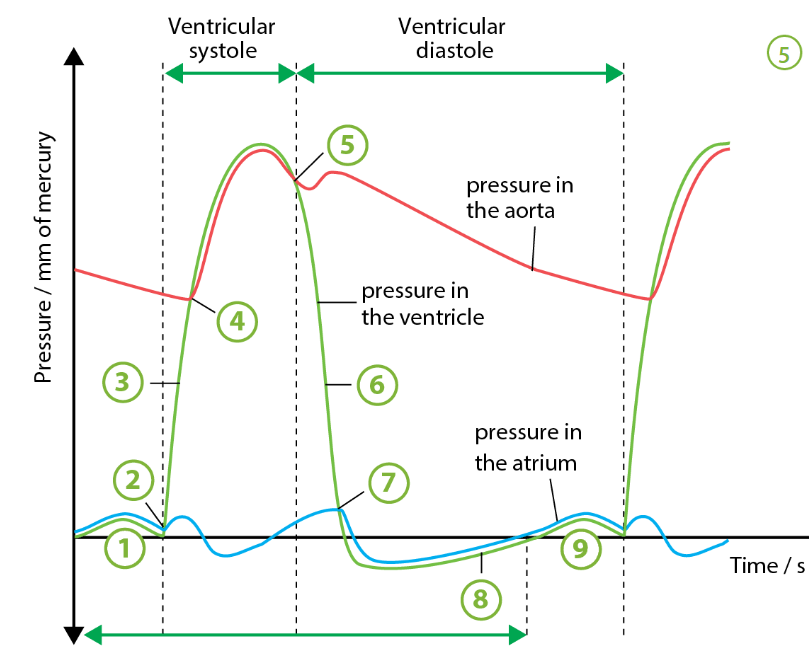
| 1. Slight increase in ventricular pressure is due to contraction of left atrial muscles → forcing blood into the ventricle. | 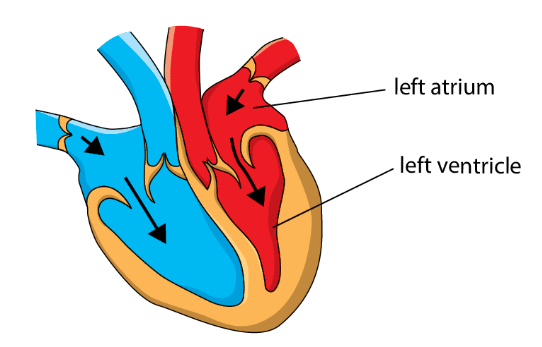 |
| 2. ventricular muscles begin to contract → bicuspid valve closes. | 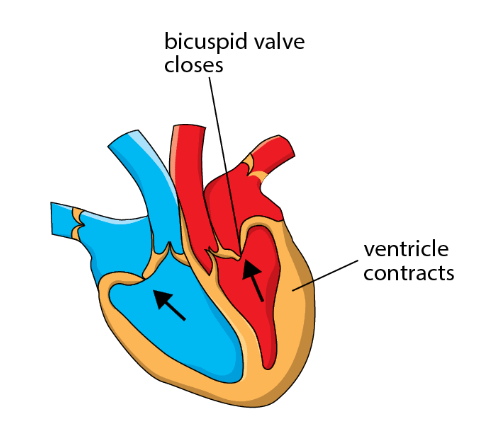 |
| 3. ventricular muscles continue to contract without change in volume of blood. Pressure continues to rise. | 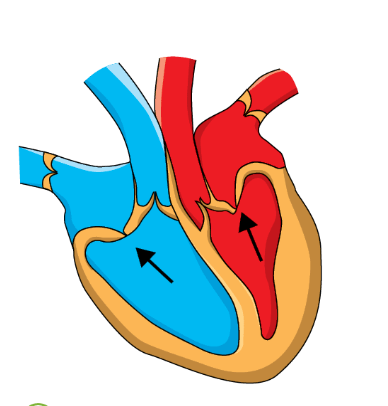 |
| 4. Pressure in ventricle becomes higher than that in the aorta. Aortic valve (semilunar valve in the aorta) → opens Volume of blood in ventricle decreases as blood is forced out into the aorta | 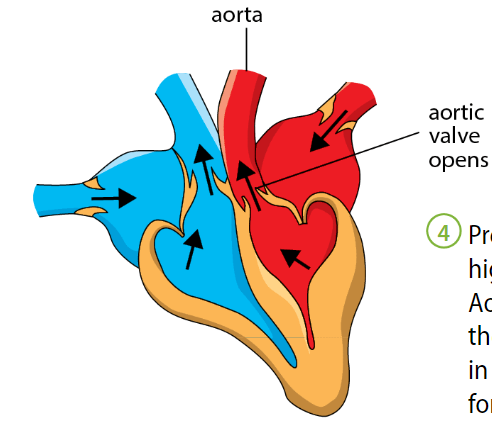 |
| 5. Ventricular muscles begin to relax → drop in pressure → causes aortic Valve to close to prevent backflow of blood into the ventricle. | 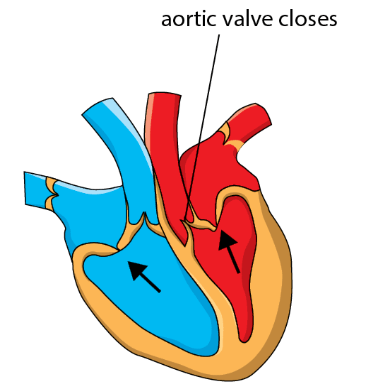 |
| 6. Ventricular muscles → continue to relax → without change in volume of blood | |
| 7. Bicuspid valve → opens when pressure in ventricle becomes lower than that in the atrium | |
| 8. Pressure in the ventricle rises as blood continues to enter the ventricle from the atrium. |